Archive for: Uncategorized

Archive for Uncategorized – Page 2

Keeping Businesses Comfortable With Commercial Air Conditioning

In Summerville, a busy day can turn into a staffing problem fast when the building won’t cool down. Between the I-26 growth corridor, nonstop summer humidity, and spaces that run from warehouse bays to storefronts, commercial comfort has to be planned, not hoped for.

This guide gives you a reliability-first way to manage commercial cooling without guesswork. You’ll walk away with a clear plan for what to measure, what to fix first, and how to schedule work around tenants, customers, and operating hours.

Key Takeaways

  • A reliable commercial cooling plan starts with how your space operates, not just the thermostat setting.
  • Baseline measurements turn vague comfort complaints into actionable, repeatable fixes.
  • In the Lowcountry, drainage, airflow, and coil condition are frequent root causes of summer downtime.
  • The fastest projects are the ones planned around access, approvals, and tenant communication.

The Reliability-First Plan for Commercial Air Conditioning

Summerville’s heat load ramps up early and stays high, especially in high-traffic buildings near Dorchester Road and the Nexton area. The plan starts by defining what “working” means for your space, so every next step supports uptime.

Comfort, Ventilation, and Operational Requirements

Start with how the building is actually used, not what the thermostat says.

A restaurant near Hutchinson Square needs different airflow and humidity control than a medical office suite or a light industrial space off US-78, and those differences affect sizing, zoning, and run time.

We like to begin with a quick walkthrough with your point person so we understand hot spots, after-hours needs, and any areas that cannot go down, like server closets or prep lines.

Establish a Baseline With Measurable System Data

Before you change parts, capture what the system is doing on a normal day, especially for rooftop units common on strip centers around Azalea Square.

Things like supply and return temperatures, airflow indicators, electrical readings, and drain performance help separate “it feels warm” from a repeatable diagnosis that holds up across shifts.

When we service commercial systems, we document the readings and the conditions we found so you can spot trends before they become shutdowns.

Address the Failures That Coastal Humidity Accelerates

Lowcountry humidity is hard on equipment and finishes, and it shows up first as water issues and airflow restrictions.

Clogged condensate drains, algae buildup, rusted pans, and dirty coils can lead to ceiling stains in tenant suites, slick floors in back hallways, and rooms that feel clammy even when the temperature looks fine.

In places like Cane Bay and Sangaree, where summer run time is relentless, keeping drains clear, coils clean, and filtration appropriate is often the difference between steady cooling and a midweek emergency.

Reduce Peak-Season Downtime With Targeted Maintenance Timing

If you wait until the first heat advisory, you’re scheduling in the longest line of the year.

For many properties along the Dorchester Road and Ladson corridors, a spring tune-up before consistent 90-degree days helps catch weak capacitors, worn belts, loose electrical connections, and airflow problems while the building can tolerate brief downtime.

After major storm threats, it also helps to check rooftop units for debris, shifted panels, and drainage issues that can show up after heavy rain and wind.

Make Repair, Retrofit, or Replacement Decisions With Lifecycle Math

When performance drops, the best move depends on more than the repair ticket.

If your building near I-26 is seeing rising energy use, repeated comfort complaints, or the same component failures coming back, it may be time to compare repair costs against the operating cost of keeping an older unit running through another summer.

Replacement and retrofit estimates vary based on unit tonnage, curb and ductwork changes, crane access, controls integration, and electrical scope, so the smart approach is to price the full path, not just the immediate fix.

Scheduling, Access, and Approvals That Keep Projects on Track

Commercial cooling work in Summerville often succeeds or fails on coordination, especially in multi-tenant spaces and older buildings closer to downtown. A little prep up front removes delays once technicians are on site and keeps tenants from being surprised mid-day.

Information That Speeds up Diagnosis on the First Visit

Gather the basics that are hardest to chase when everyone is busy.

Unit locations, model and serial info, the areas affected, when the issue happens, and who can grant access are especially important for properties spread between Summerville, Goose Creek, and North Charleston.

If you have past service notes or a recent list of comfort complaints by suite, it helps narrow the problem to airflow, controls, drainage, or refrigeration before anyone climbs a ladder.

Roof, Mechanical Room, and Safety Access Planning

Rooftop and back-of-house access can add more time than the repair itself.

Confirm roof hatch or ladder locations, escort requirements, parking and loading constraints, and any areas where tenant deliveries or fire lanes must stay clear, which is common near busier retail pads and shared lots.

For larger replacements, approvals and permitting requirements can vary by jurisdiction, so planning early helps avoid stalled schedules once equipment is ordered.

Tenant Communication and Contingency Cooling

Even a well-planned repair can change the feel of a space for a few hours.

Set expectations with tenants about time windows, noise, and which zones might be affected, especially for childcare, medical, and food-service spaces, where comfort and indoor air quality are tied to business operations.

When uptime is critical, having a contingency plan for temporary cooling or phased work keeps you from choosing between customer experience and getting the system fixed correctly.

Plan Your Next Commercial Air Conditioning Move With Arctic Air Inc.

Arctic Air Inc. supports businesses across Summerville and the greater Charleston area with commercial air conditioning service, repairs, and installations.

If you’re trying to stabilize comfort complaints, build a maintenance rhythm, or sort out a repair-versus-replacement decision, reach out to our team. We can help you map the next step based on what your building needs.

We also work with commercial refrigeration and ice machines, which makes it easier to coordinate temperature-critical equipment under one roof.

Frequently Asked Questions

How often should commercial air conditioning be serviced?

Most businesses do best with preventive service twice a year, with a cooling-focused visit before peak summer and another check ahead of the heating season. High-traffic buildings, kitchens, and spaces with long operating hours often need more frequent filter and drain attention. If your site is near heavy pollen or construction activity, inspections may need to be closer together.

How long do commercial rooftop units usually last?

Many rooftop units land in a broad 15–20 year range, but lifespan depends on maintenance, runtime, and environment. In humid coastal climates, corrosion, drainage issues, and constant summer demand can shorten that window. Consistent maintenance and correct airflow are two of the biggest factors that extend useful life.

Why does a commercial AC system freeze up in the summer?

Freeze-ups commonly trace back to restricted airflow, dirty coils, or issues that reduce the system’s ability to absorb heat. Low refrigerant from a leak can also cause conditions that lead to icing, and it usually gets worse the longer it runs. Turning the system off may thaw it, but the underlying cause still needs to be corrected to prevent repeat damage.

Can one contractor handle both cooling and refrigeration for a facility?

Yes, and it can simplify scheduling and reduce downtime when your building relies on both systems. Coordinating the work matters in restaurants, convenience retail, and mixed-use facilities where comfort and cold storage are both business-critical. The key is aligning service windows so neither system is left vulnerable during the hottest weeks.

Accurate Temperature Control Returns to a Charleston Taco Bell Dining Room

When a dining room feels off, everyone notices. Guests linger less, staff morale dips, and managers start fielding complaints that distract from running the business.

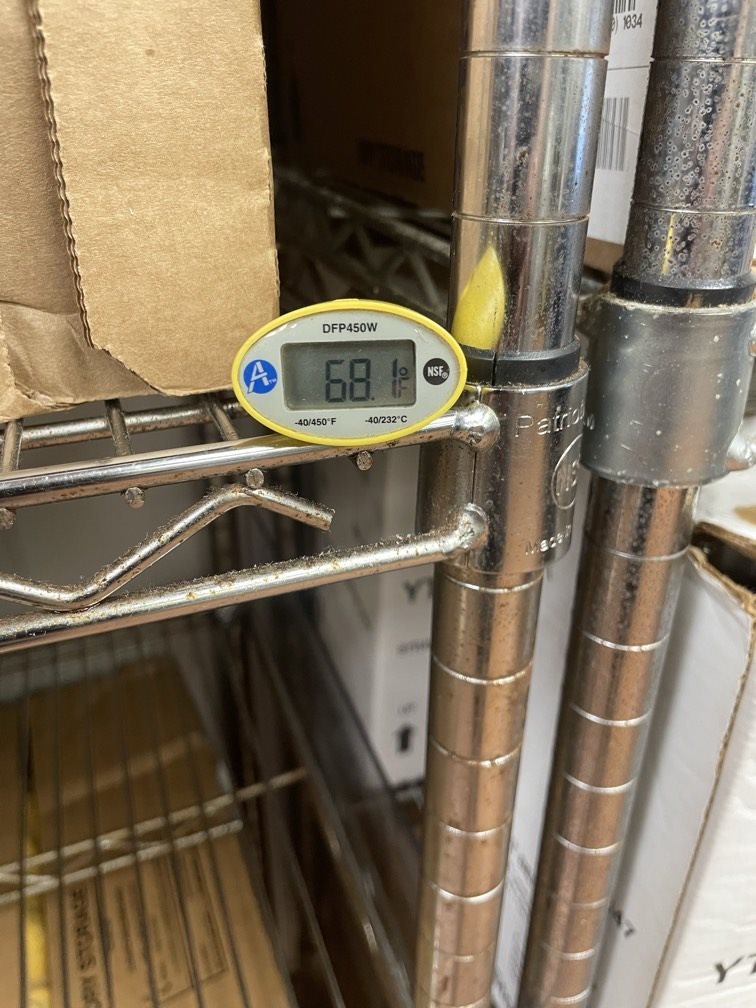
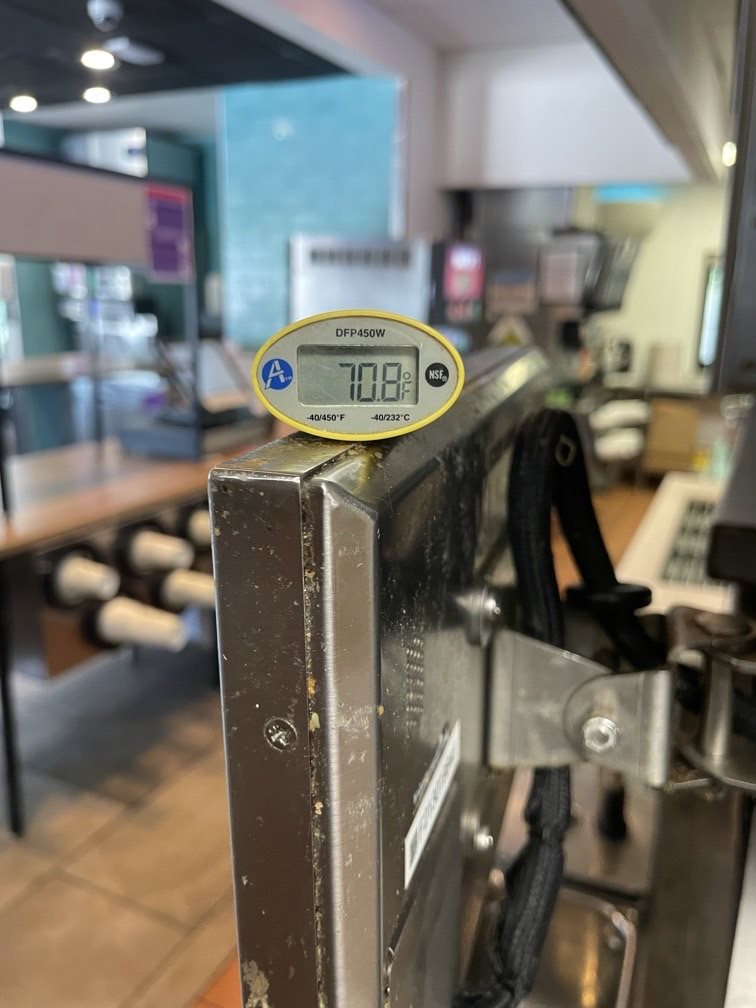
That was the situation at a Taco Bell location in Charleston, SC when their dining room thermostat stopped telling the real story of the space.

As a current customer, the team already knew who to call. We were glad they reached out to Arctic Air Inc. to take a closer look and get things back on track.

On Site in Charleston, SC

We arrived at the property ready to diagnose the issue and confirm the cause. Charleston’s coastal climate can be tough on HVAC components, especially smaller electronic parts like sensors that react to humidity and corrosion over time.

This location was no exception.

After inspecting the thermostat and its remote sensor, we confirmed that corrosion had compromised the sensor’s ability to function. There was no need for a broader system overhaul.

We replaced the corroded remote sensor with a new one and ensured it was properly connected and calibrated. Once installed, the thermostat immediately began displaying accurate dining room temperatures again.

Seeing Results Right Away

The difference was clear as soon as the system came back online. Staff could finally see the actual temperature of the dining room, which made it easier to keep the space comfortable throughout the day.

That clarity matters more than many people realize. Accurate readings support better decisions, fewer adjustments, and a more consistent experience for everyone inside the building.

The response from the team said it all.

“Staff was grateful to be able to read actual temp of dining room now. Way to go Zayne!”

Hearing that kind of feedback reinforces why we focus on details, even when the fix seems straightforward.

Supporting Local Businesses With Practical Solutions

We work with commercial clients across Charleston, SC who need dependable HVAC service without complications. From diagnosing specific issues to making precise repairs, our approach centers on solving the real problem in front of us.

If you manage a restaurant or commercial space in the Charleston area and your thermostat readings do not match how the room feels, it may be time for a closer look.

Call us today to schedule a commercial HVAC service visit in Charleston, SC. We will inspect your system, pinpoint the issue, and help restore reliable comfort so your team and customers can focus on what matters most.

Restoring Heat and Cooling After an Unexpected HVAC Shutdown in Summerville, SC

When the call came in from a longtime customer in Summerville, SC, the message was short and concerning. The HVAC system had no power and would not come on at all. In the middle of everyday routines, that kind of failure gets noticed fast. Since we already knew the home and the system, we were able to respond quickly and get to work.

At Arctic Air Inc., repeat customers matter to us.

Familiarity with a property often helps us move faster from problem to solution, and this job proved why ongoing maintenance relationships pay off.

Tracking Down the Cause of the Power Loss

Once on site in Summerville, we began with a full diagnostic of the HVAC system.

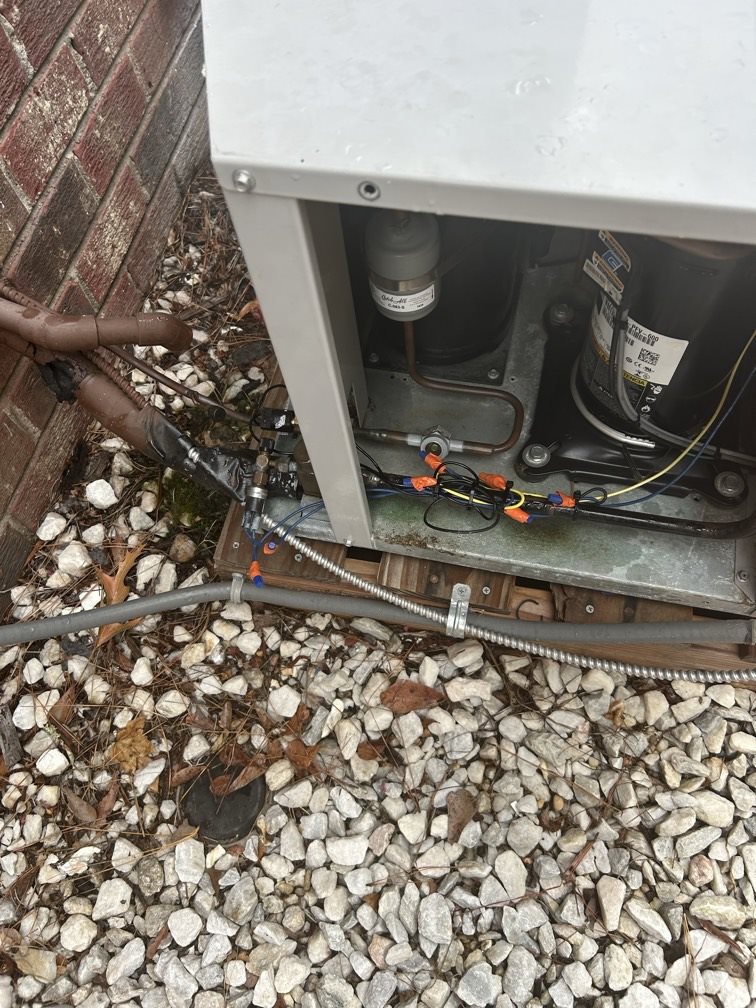
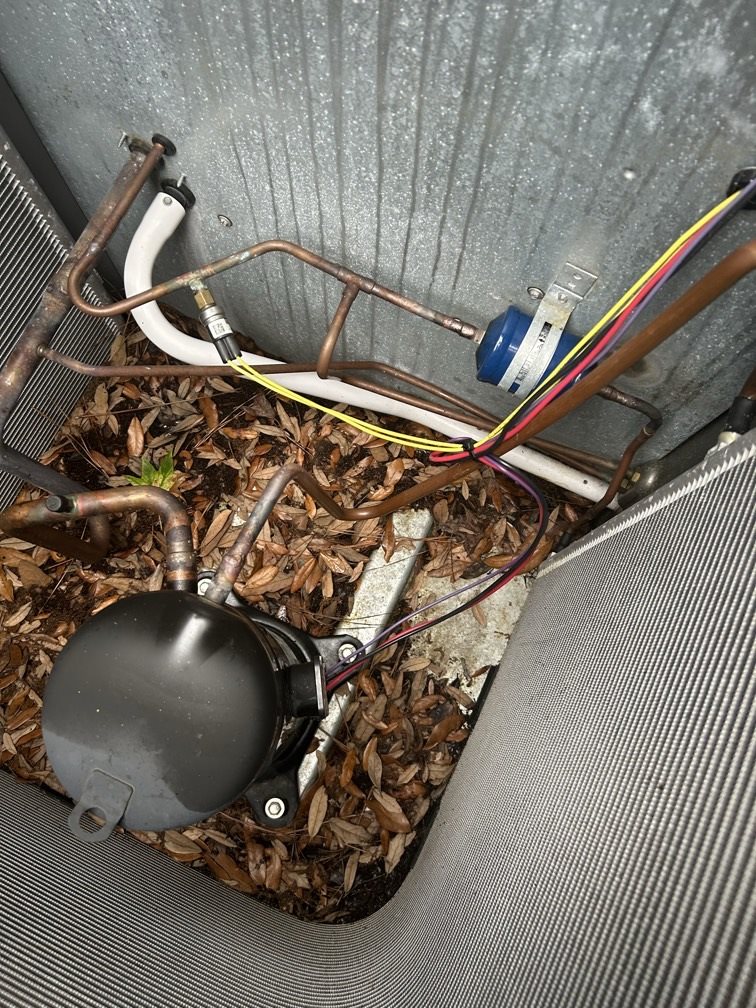
With no power reaching the unit, several components needed to be checked carefully. As we opened the system, the cause became clear. A lizard had found its way inside the unit and damaged multiple critical parts.

The inspection revealed a defective control board, failed thermistors, a damaged contactor, and a compromised reversing valve coil. Any one of these issues could stop a system from operating. Together, they explained why the unit would not start at all.

Situations like this are not unheard of in the Lowcountry.

Summerville’s warm climate and local wildlife can create unique challenges for outdoor HVAC equipment. Small animals can squeeze into tight spaces, and once inside, they can wreak havoc on wiring and electronics.

Replacing Components and Restoring Operation

After explaining the findings to the homeowner, we replaced the damaged control board, thermistors, contactor, and reversing valve coil. With the new components installed, we moved into the testing phase.

We ran the system in both heating and cooling modes, allowing multiple natural calls from the thermostats to ensure consistent operation. We also confirmed the heat kit engaged properly when needed, which is critical for comfort during cooler spells in Summerville.

Once performance was verified, we reassembled the unit. As part of our process, we neatly reorganized the system wiring. Clean wiring improves reliability, reduces future troubleshooting time, and reflects the level of care we bring to every job.

A Reliable Result for a Familiar Customer

By the time we finished, the HVAC system was running smoothly again. Power was fully restored, heating and cooling responded correctly, and all components worked together as designed. For the homeowner, the relief was immediate.

The feedback said it all.

“Thanks, Guys!!” Short, simple, and appreciated.

Helping Summerville Homeowners Stay Comfortable

Homes in Summerville face specific environmental factors, from humidity to curious wildlife. Regular inspections and quick response can prevent small issues from turning into complete system shutdowns. This job highlighted the value of detailed diagnostics and taking the time to test every function before wrapping up.

If your HVAC system has lost power, stopped responding, or shown signs of electrical trouble, our team is ready to help. We know the homes, the climate, and the challenges that come with living in Summerville.

Call us today to schedule an HVAC inspection or request service in Summerville. We will find the issue, fix it correctly, and get your system running the way it should.

10 Ways Commercial Refrigeration Service Improves System Efficiency

commercial refrigerationIn Summerville, SC, commercial refrigeration systems work hard year-round thanks to heat, humidity, and steady customer demand.

From restaurant walk-ins near Nexton to grocery stores along Main Street, even small efficiency losses can show up fast on energy bills and food safety logs. Consistent professional service keeps systems running cleaner, cooler, and with fewer surprises.

Below, we break down exactly how commercial refrigeration service improves efficiency and when it makes sense to schedule it for long-term gains.

Key Takeaways

  • Professional commercial refrigeration service restores systems to efficient operating conditions.
  • Clean coils, proper refrigerant levels, and calibrated controls reduce energy use.
  • Scheduling service at the right times prevents long-term efficiency losses.
  • Preventive maintenance delivers the most consistent efficiency gains over time.

1. Improves Heat Transfer at the Condenser Coils

Dirty condenser coils force compressors to run longer to reject heat, which is common in Summerville kitchens where grease and dust build up fast.

During service, coils are cleaned to allow proper airflow and heat release. This reduces head pressure and lowers electrical demand. In strip centers near Azalea Square, restricted airflow is one of the top causes of rising utility costs.

Cleaner coils help equipment cycle off sooner instead of running nonstop. Over time, this simple step protects compressors from overheating.

2. Optimizes Refrigerant Charge Levels

Low or incorrect refrigerant charge makes systems work harder to maintain safe temperatures. Service technicians verify charge levels and correct leaks that often go unnoticed in older walk-ins behind restaurants near Dorchester Road.

Proper charge improves cooling capacity and stabilizes box temperatures.

This reduces short cycling and temperature swings that stress components. Accurate refrigerant levels also support compliance with EPA handling rules. Balanced systems cool faster using less energy.

3. Restores Proper Airflow Inside Refrigerated Spaces

Blocked evaporator coils or failing fan motors restrict airflow inside cases and walk-ins. In busy Summerville convenience stores, product overloading can worsen the problem. Service includes coil cleaning, fan inspection, and airflow correction.

Even airflow keeps temperatures consistent from top shelf to floor level. This reduces overcooling and unnecessary compressor runtime. Better airflow also protects perishable inventory.

4. Calibrates Thermostats and Control Sensors

Out-of-calibration controls cause systems to run longer than needed. During service visits, sensors and thermostats are tested and adjusted to match real conditions. In humid Lowcountry environments, sensor drift is common due to moisture exposure.

Accurate controls prevent excessive run times during overnight hours.

This directly lowers energy consumption without sacrificing food safety. Proper calibration also supports health inspection requirements.

5. Reduces Compressor Run Time and Electrical Load

Compressors consume the most power in commercial refrigeration systems. Service identifies causes of extended run times, such as dirty coils, airflow issues, or failing components. By addressing these factors, compressors reach setpoints faster and shut off sooner.

Many Summerville businesses see noticeable demand reductions after corrective maintenance. Shorter run cycles extend compressor life.

Lower electrical load also reduces stress on building panels.

6. Prevents Ice Buildup on Evaporator Coils

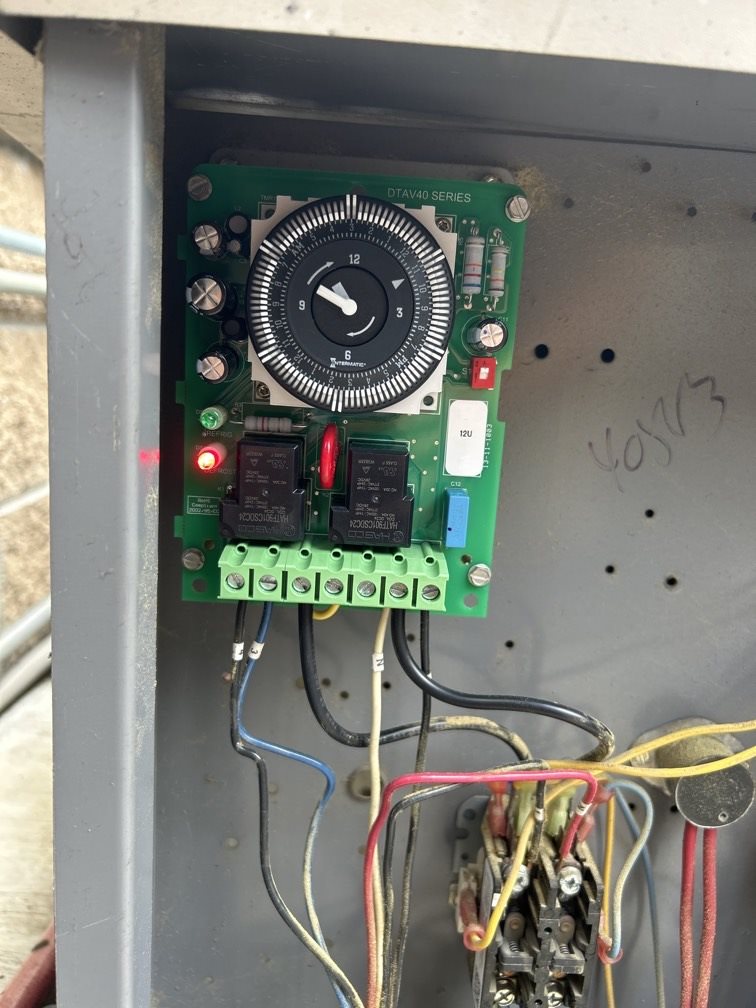
Ice accumulation insulates coils and reduces heat absorption. Service includes defrost system checks, drain line clearing, and coil inspections.

In coastal South Carolina, humidity increases the risk of ice formation when defrost cycles fail. Removing ice restores full cooling efficiency. This prevents temperature creep that can threaten food safety.

Reliable defrost operation keeps systems efficient even during peak summer months.

7. Maintains Door Seals and Gaskets

Damaged gaskets allow warm, moist air into refrigerated spaces. Service inspections catch worn seals common in high-traffic kitchens near schools and hotels. Replacing gaskets reduces infiltration and frost buildup. This lowers compressor workload and stabilizes temperatures.

Tight seals also improve employee comfort by reducing condensation. Small gasket repairs often deliver outsized efficiency gains.

8. Balances Electrical and Mechanical Components

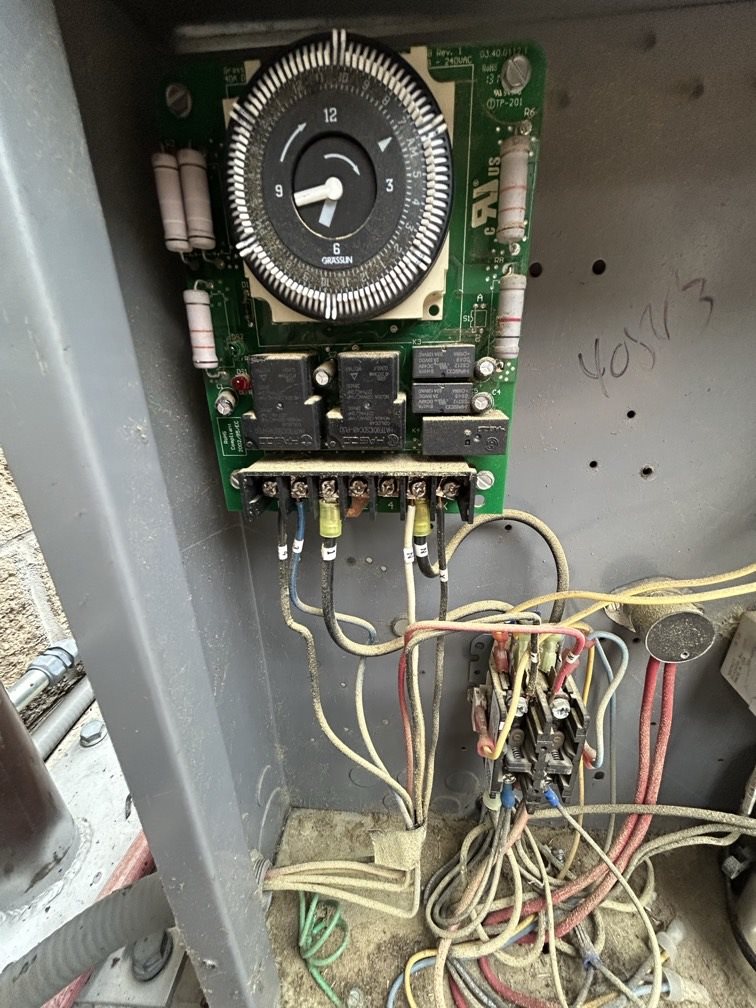
Loose connections and worn contactors increase resistance and heat. Service includes tightening terminals and testing electrical components. Mechanical alignment checks reduce vibration that can waste energy.

In older commercial buildings around historic Summerville, electrical inconsistencies are common. Correcting them improves system reliability. Balanced components operate more efficiently under load.

9. Improves Defrost and Drainage Performance

Clogged drains cause water to refreeze on coils and floors. Service clears drain lines and verifies heater operation. Proper drainage prevents repeated ice formation that strains fans and compressors.

This is especially important in humid climates with frequent door openings. Efficient defrost cycles reduce downtime and energy waste. Clean drainage also improves safety in walk-in coolers.

10. Extends Equipment Lifespan Through Efficient Operation

Efficiency and longevity go hand in hand. Systems running within design parameters experience less wear. Regular service reduces emergency breakdowns that often follow prolonged inefficiency. In competitive commercial districts, avoiding downtime protects revenue.

Efficient operation also delays costly equipment replacement. Long-term savings often exceed the cost of routine service.

When to Schedule Commercial Refrigeration Service for Long-Term Efficiency Gains

Scheduling service at the right times helps businesses in Summerville lock in efficiency before problems escalate.

Before Peak Summer Heat Arrives

Summers in Summerville bring sustained high temperatures and humidity.

Scheduling service in spring prepares systems for heavier loads. Technicians can address coil cleanliness and refrigerant issues before demand spikes. This prevents mid-summer efficiency losses and breakdowns.

Pre-season service also supports consistent temperatures during health inspections. Early action reduces peak energy costs.

After Noticing Rising Energy Bills

Unexpected increases in utility bills often signal declining efficiency. Commercial refrigeration is a major energy user in grocery and food service operations. Service identifies hidden issues driving higher consumption.

In many cases, simple corrections restore normal usage levels. Addressing the issue early prevents long-term waste. Utility cost trends provide a clear scheduling cue.

When Temperature Fluctuations Appear

Inconsistent box temperatures indicate airflow or control problems. Service should be scheduled as soon as fluctuations are noticed.

In retail food environments, this protects inventory and compliance. Technicians can diagnose sensor drift or coil icing. Stable temperatures reduce overcooling and energy waste. Early intervention limits product loss risk.

After Equipment Has Run Continuously

Systems that rarely shut off are often compensating for inefficiencies. Continuous operation accelerates wear and increases power use.

Service can identify root causes like dirty coils or failing fans.

Many Summerville operators notice this during extended business hours or seasonal surges. Restoring normal cycling improves efficiency immediately. It also reduces strain on electrical systems.

Following Store Remodels or Layout Changes

Layout changes can disrupt airflow around refrigeration equipment. Service ensures systems are adjusted for new conditions. In expanding commercial spaces, load calculations may shift. Technicians verify that equipment matches current demand.

This prevents overworking systems after renovations. Adjustments help maintain efficiency as businesses grow.

Before Health or Safety Inspections

Scheduled inspections are a good prompt for professional service. Ensuring proper temperatures and operation supports compliance. Service helps catch issues inspectors often flag, such as drainage or gasket problems.

Efficient systems maintain safer food storage conditions. This reduces stress during inspection periods. Proactive service also limits last-minute repairs.

When Equipment Reaches Mid-Life

As systems age, efficiency naturally declines without maintenance. Scheduling service during mid-life helps reclaim lost performance.

Technicians can recommend targeted upgrades or repairs. In older commercial corridors, this approach extends usable life. Improved efficiency delays capital replacement decisions. Planned service reduces surprise failures.

After Emergency Repairs

Emergency fixes restore operation but may not restore efficiency. Follow-up service ensures the system is fully optimized. Components stressed during failure often need adjustment. This is common after compressor or fan motor replacements.

Proper tuning prevents repeat issues.

Post-repair service stabilizes performance.

When Adding New Refrigerated Equipment

New equipment can change the overall system balance. Service ensures existing systems are not overloaded. Technicians verify electrical capacity and airflow interactions.

In mixed-use commercial kitchens, this step is often overlooked. Proper integration protects efficiency across all units. Balanced systems perform better together.

On a Preventive Maintenance Schedule

Routine service is the most reliable path to efficiency. Scheduled visits catch problems early and maintain peak performance. Many Summerville businesses align service with quarterly or biannual plans. This supports predictable budgeting and energy use.

Preventive maintenance reduces emergencies and inefficiencies. Consistency delivers the best long-term results.

Take Control of Refrigeration Efficiency Before Costs Rise

When commercial refrigeration runs inefficiently, the costs show up fast in energy bills, repairs, and product loss.

At Arctic Air Inc., we provide commercial-only refrigeration service designed to improve system efficiency, stabilize temperatures, and reduce long-term operating costs. Our technicians understand Summerville’s climate, local utility pressures, and the demands of busy commercial environments.

If you want your refrigeration systems running cleaner and smarter, schedule service today and protect efficiency before problems grow.

Frequently Asked Questions

How often should I schedule commercial refrigeration service in Summerville?

Most commercial systems benefit from service two to four times per year due to heat and humidity. Seasonal maintenance helps manage coil cleanliness, airflow, and defrost performance. High-use kitchens or grocery operations may need more frequent visits. Consistent schedules support efficiency and compliance.

Can refrigeration service really lower my monthly energy bills?

Targeted service addresses issues that force compressors to run longer than needed. Correcting airflow, refrigerant charge, and control calibration reduces electrical demand. Many businesses see measurable improvements after efficiency-focused maintenance. Results depend on system condition and usage patterns.

Does refrigeration service help with health inspection compliance?

Professional service supports consistent temperature control and proper drainage. Inspectors often check these areas closely. Addressing gasket integrity and defrost operation reduces common violations. Efficient systems are easier to keep within required temperature ranges.

What parts of the system affect efficiency the most?

Compressors, coils, fans, and controls play the biggest roles. Dirty coils and failing fans are frequent efficiency killers. Control calibration errors also lead to excessive run times. Comprehensive service evaluates all of these components together.

What Are the Signs You Should Call a Commercial Refrigeration Company?

Commercial_Coolers_Freezers

In Summerville, many foodservice teams notice their coolers working harder during the warm, humid weeks that roll in from the Ashley River basin. That extra strain often hides early warning signs until an expensive failure hits during a lunch rush.

The simple answer is this. Call a commercial refrigeration company as soon as you see changes in temperature, noise, frost, or power use. Acting early protects inventory, keeps you compliant with safety codes, and avoids shutdowns.

Let’s walk through what to look for and how to plan your next steps so your kitchen, market, or convenience store near Hutchinson Square stays protected.

Key Takeaways

  • Temperature changes, noise, frost, and leaks are early refrigeration warning signs.
  • Local humidity and building conditions in Summerville speed up wear on cooling equipment.
  • Logs, energy trends, and inventory risk help decide the right time to schedule service.
  • Timely commercial refrigeration service protects food safety and operating costs.

Temperature Fluctuations Inside the Cabinet

Temperature drift happens when components lose efficiency or when airflow drops.

We see this often in Summerville kitchens that run hot during busy dinner hours near Main Street restaurants. Even a few degrees of movement can cause food to fall out of FDA-safe ranges, especially on prep lines and reach-ins that are opened often.

These shifts usually trace back to weak evaporator fans, clogged condenser coils, or refrigerant issues. Once these changes start, they rarely self-correct. A quick service call protects your inventory and helps maintain compliance during inspections.

Frost Buildup on Coils or Interior Walls

Heavy frost is usually a sign of airflow imbalance or failing defrost controls.

In older buildings around the Historic District, cooler rooms with poor ventilation often create condensation that freezes more easily. Frost makes your system work harder, drives up your SCE&G utility bills, and leads to uneven cooling across shelves.

When frost grows on the evaporator coil, it blocks heat exchange and slows recovery time after door openings. Clearing the frost without correcting the root cause only delays the problem. Professional diagnostics keep humidity under control and restore proper circulation.

New or Louder Operating Noises

Grinding, rattling, or buzzing noises often point to a failing fan motor or compressor.

We hear this frequently in walk-ins at Summerville cafés that load product quickly during busy hours near Azalea Park. Once a motor starts vibrating or rubbing, it produces heat that spreads stress to other components.

Noise is an early warning sign that helps you act before a breakdown stops service.

Fast intervention also keeps energy use predictable, especially if your business tracks costs for seasonal fluctuations.

Water Leaks Around the Unit

Water near the base of your cooler or walk-in often comes from a blocked drain, a failing door gasket, or coil icing. In low-lying parts of Summerville that stay humid after rain, drains clog faster because excess moisture forms inside the cabinet. Moisture on floors creates slip hazards, attracts pests, and can violate sanitation standards.

Leaks usually mean the system is struggling to shed heat, which hints at deeper mechanical problems. A service visit keeps the area safe and restores proper drainage.

How to Evaluate the Right Time to Schedule Service and Plan Next Steps

You can judge the right time to call for service by checking trends, logging symptoms, and balancing operational risks with repair timing.

Establish a Temperature and Performance Log

A simple log helps catch trends before a failure hits.

Many Summerville restaurants near Ladson Road track temperatures at opening, mid-shift, and closing. When logged data shows slow recovery or warm spots on specific shelves, it suggests airflow or control issues.

Even small patterns help technicians diagnose problems faster, which reduces labor time and cost. This record becomes especially useful before weekends or special events when kitchens carry heavier stock.

The goal is to call as soon as changes appear instead of waiting for a full outage.

Check Power Use and System Cycles

Sudden spikes in power draw often show up on your utility bill from Dominion Energy before a failure occurs. Short cycling or long run cycles indicate a struggling compressor or restricted airflow. We see this a lot in buildings with older electrical setups near Sweet Tea Trail businesses.

You can listen to how often the compressor starts and stops during prep hours to spot unusual patterns. When energy behavior changes, scheduling service early prevents burnout and helps stabilize predictable operating costs.

This step also supports long-term budgeting for replacements.

Review Inventory Risk and Timing

Your highest perishability periods should guide when to schedule service.

Markets and restaurants around North Main Street often prep heavily for weekend traffic, which raises the cost of downtime. Evaluating how much product sits in your walk-ins or reach-ins helps you decide how quickly to act.

If a cooler holds high-value proteins or dairy, even minor temperature drift becomes urgent. Planning service during slower hours protects staff workflow and reduces the chances of needing emergency work.

Thinking through inventory cycles saves money and reduces stress.

Consider Building Conditions and Equipment Age

Older masonry buildings in Summerville hold heat differently, which affects cooler performance.

When refrigeration equipment runs in enclosed or unventilated back rooms, heat and humidity shorten component life. Units older than ten years usually show more frequent symptoms, especially if maintenance has been irregular.

Evaluating age, location, and room airflow helps determine if you need repair, adjustment, or replacement. Local codes for commercial food safety also push for reliable temperature control in shared spaces.

Knowing the condition of both the building and equipment helps you plan repairs before a rush or inspection.

Protect Your Cooling Equipment Before Problems Spread

A breakdown costs more than parts. It puts your inventory, staff workflow, and food safety at risk. At Arctic Air Inc., we help Summerville businesses stay ahead of failures with fast diagnostics and practical service planning tied to your daily operations.

We handle temperature issues, airflow problems, and component failures before they disrupt your kitchen or storefront. Reach out today to schedule service, request a quote, or plan preventive maintenance for the weeks ahead.

Frequently Asked Questions

How can I tell if my walk-in cooler in Summerville is losing efficiency?

We look for slow recovery times, warm spots near doorways, and longer compressor cycles that often show up in local kitchens with high humidity. Tracking these patterns helps us diagnose airflow or control issues before they reach unsafe temperatures.

Do older walk-ins in historic Summerville buildings need more frequent checks?

We usually recommend more frequent inspections because older masonry spaces trap heat and put strain on evaporator and condenser systems. These conditions make routine coil cleaning and gasket checks especially important for food safety.

What should I do if my reach-in cooler forms frost even after defrosting?

We check for airflow blockages, failed defrost controls, and moisture problems common in back rooms near Main Street. Correcting the root cause stops the frost from returning and protects your compressor from overheating.

How soon should I call for service after seeing a small water leak?

We advise calling right away because leaks often start from clogged drains or coil icing that can escalate quickly in Summerville’s humid climate. Fast service keeps floors safe and prevents costly component damage.

A Breath of Fresh Air: Helping a Summerville Homeowner Get Sale-Ready

When a Summerville homeowner reached out through Facebook, they had a clear mission—get their home ready to sell and meet the requirements outlined by their home inspector.

We know that selling a home in South Carolina’s Lowcountry means more than a fresh coat of paint or tidy landscaping. A cooling system that performs efficiently in the Summerville heat can make all the difference in a buyer’s decision.

Getting the Call from a Homeowner Preparing to Sell

The homeowner’s message came in shortly after their inspection report. The home inspector had noted that the HVAC system needed a preventative maintenance inspection and cleaning before the house could be listed for sale. That’s where our team stepped in.

For us, these types of service calls are an opportunity to make a real impact—both on the home’s comfort and on its market appeal. We scheduled the visit quickly, understanding the homeowner’s timeline and goal of keeping their sale on track.

Taking a Closer Look at the System

When we arrived at the Summerville home, we began with a complete system check. Preventative maintenance inspections go far beyond a surface-level clean. We evaluated the air filters, inspected coils, checked refrigerant levels, and confirmed that all components were running efficiently.

As expected, the system had some buildup that was affecting airflow and cooling performance. After a thorough cleaning and tune-up, we tested the system again—and the difference was immediate. Airflow improved, temperatures dropped faster, and the homeowner’s reaction said it all: “WOW! It’s cooling so much better.”

That’s the kind of feedback we love to hear. Not only was the homeowner relieved to check the inspection item off their list, but they were also impressed by how much better their system worked once it had been properly maintained.

Ready to Help More Summerville Homeowners

At Arctic Air Inc., we take pride in helping Summerville homeowners keep their systems running at peak performance—whether they’re preparing to sell, move into a new home, or simply want a more comfortable living space.

If your home inspection or real estate agent recommends an HVAC service before you list your property, or if you just want to make sure your system is cooling as efficiently as possible, we’re here to help. Call us today to schedule your preventative maintenance inspection and experience the difference a professional cleaning can make.

Your comfort—and your home’s value—deserve the best care Summerville has to offer.

How We Helped a Mount Pleasant Pizza Shop Beat the Ice Buildup in Their Freezer

When you run a busy pizza restaurant in Mount Pleasant, your freezer isn’t just another appliance—it’s your lifeline. So when ice and “snow” start piling up inside, it doesn’t take long before it affects your workflow, food quality, and peace of mind. That’s exactly what one of our long-time restaurant clients was facing before calling Arctic Air Inc. for help.

A Snowstorm in the Freezer

Our team got the call from a loyal customer—a popular pizza spot right here in Mount Pleasant, SC. They’d noticed excessive frost buildup inside their walk-in freezer. While some frost can be normal, what they were dealing with looked more like a snowstorm.

That can point to larger problems with insulation, sealing, or air leaks, all of which threaten food safety and energy efficiency.

We arrived promptly and got to work diagnosing the issue.

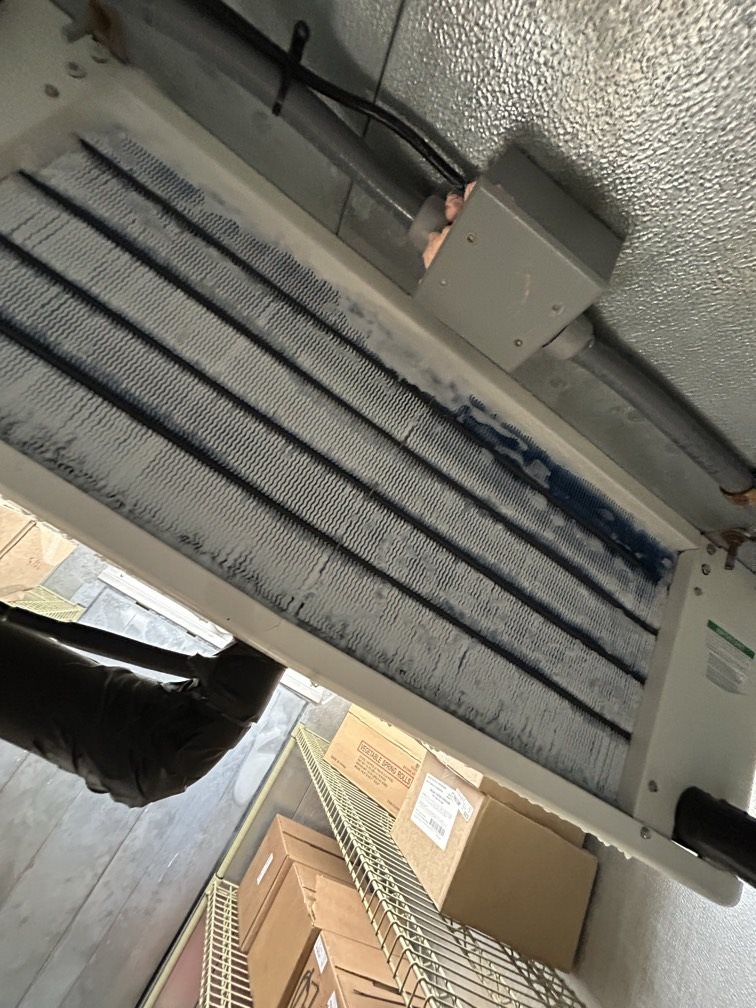
From the start, we could tell this wasn’t a quick fix. The top of the freezer was dirty and rusted, the insulation was deteriorated, and there were signs of air infiltration at multiple points.

Left unaddressed, this could have led to equipment failure or spoiled inventory—costly problems for any restaurant.

Step-by-Step Restoration

To get this Mount Pleasant freezer back into top shape, we took a detailed and careful approach. First, we put the freezer into defrost mode so the line set and interior could begin thawing out. Once defrosting was underway, we scrubbed down the top of the freezer using a degreaser and a brush to remove rust, dirt, and years of buildup.

Next came the insulation work.

We removed all the old foam and deteriorated pipe insulation—this was a big contributor to the frost issue. New pipe insulation was installed and secured tightly using contact cement, foam tape, and black tape to ensure a long-lasting seal. To support the line set, we used black strapping for added stability.

We didn’t stop at the surface.

To prevent air leaks and future moisture problems, we sealed every penetration for the line set and electrical connections using expanding foam. We also applied silicone to the seams on the top of the freezer to lock out humid air.

Before restarting the unit, we removed as much water, ice, and snow from the inside as possible. Then we brought the freezer back online. It started running properly right away—and stayed that way.

Great Job! No More Snow.

That was the response we got from the restaurant manager as we wrapped up the service. And we know from experience: when a busy kitchen says “no more snow,” that means everything is working exactly the way it should.

Keeping Mt. Pleasant Kitchens Running Smoothly

We’re proud to support restaurants like this one across Mount Pleasant and the surrounding Lowcountry. The coastal humidity here can be tough on refrigeration equipment, which makes regular maintenance and expert repairs even more critical. Whether it’s walk-in coolers, reach-ins, or ice machines, we know how to keep your kitchen cold and your operations smooth.

If you’re noticing frost buildup, inconsistent temperatures, or strange noises coming from your commercial refrigeration equipment, don’t wait for a breakdown. Call us today and let us help keep your Mount Pleasant business cool, efficient, and problem-free.

Turning an Attic Problem into a Cool Success in Summerville

When our team at Arctic Air Inc. first heard from the homeowners in Summerville, SC, we knew we were in for more than a standard service call. The issue sounded small—a whisper of cold air up in the attic—but like many things, the symptoms masked a deeper challenge.

Here’s how we turned that drafty attic into a sealed, energy-efficient space—and left a client saying, “WOW! What a difference! Thank you!

How We Met the Client

The homeowners found us through our Facebook page after a home inspector flagged air leaks above the ceiling line. They wanted someone local, responsive, and experienced in ductwork and sealing.

In Summerville’s humid climate, a cool attic full of leaks isn’t just uncomfortable. It’s a burden on efficiency, HVAC load, and long-term costs.

The Surprise Cold Air (and What Was Causing It)

When the home inspector reported cold air in the attic, the homeowners were confused: why would a heated or cooling system push air upward? As we evaluated, we found:

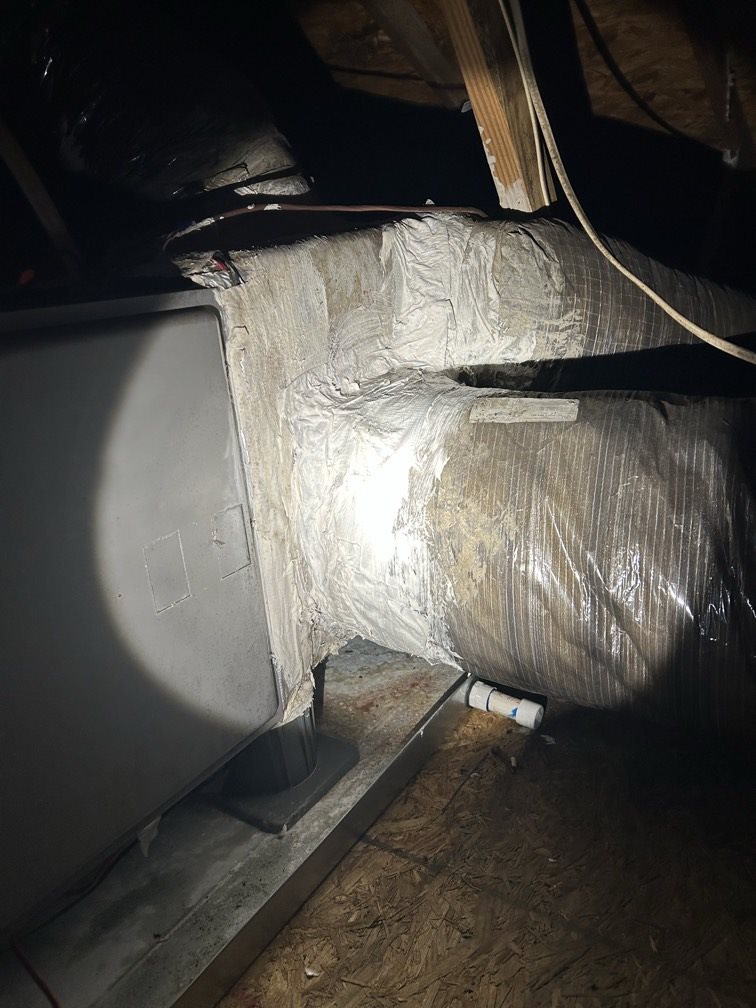
  • Missing seals and gaps in the ductwork passing through attic joists
  • A few loose connections where duct sections met
  • Thin or deteriorated joints with minimal insulation or sealing materials

Those imperfections allowed conditioned air to escape into the attic rather than reach living spaces. Worse, that meant the HVAC system worked harder, energy was wasted, and indoor comfort suffered.

Our Approach: Repair, Reseal, and Reinforce

We proposed a targeted but thorough plan:

1. Inspection & Diagnosis

We traced the duct runs in the attic, identified every leakage point, and measured static pressure impacts to confirm problem areas.

2. Resealing Connections

We reworked the duct joints using mastic sealant and high-quality foil tape—materials proven to handle temperature changes and attic conditions.

3. Repair Gutters

Where minor damage had stressed duct supports or joints, we reinforced or realigned ducts for proper airflow.

4. Add an Insulation Barrier

In spots adjacent to the roof deck or cold zones, we added insulation wraps or barrier materials to reduce thermal loss.

5. Final Test & Balance

After sealing, we tested airflow to ensure each supply vent delivered the correct volume without excess leakage.

The Transformation

We had expected improved airflow, but the difference was more dramatic than most clients see:

  • The cold drafts in the attic vanished
  • The HVAC system ran more steadily, with fewer temperature swings
  • The house felt cooler (or warmer) more reliably, without overwork
  • Energy use dipped in the weeks after the service

Looking for Relief in Your Home?

If you’ve ever felt odd drafts, unexplained temperature differences upstairs, or watched your HVAC run constantly without hitting the mark, we’d love to see your system. We’ll trace leaks, seal them, and balance your airflow so your home finally works for you.

Reach out to us today, and we’ll get started on making your house feel truly sealed, efficient, and comfortable in Summerville and the surrounding areas.

7 Signs You Might Need a Commercial HVAC Contractor Soon

commercial HVAC package unitIn Summerville’s hot, humid summers and occasionally chilly winters, your commercial HVAC system does more than just keep the air comfortable. It keeps your business running. Whether you’re operating near Hutchinson Square or out by the Nexton development, even a small HVAC issue can affect your employees, customers, and bottom line.

As a commercial HVAC contractor working with Summerville businesses for years, we’ve seen the early warning signs that often go ignored—until it’s too late.

Here are seven specific signs you shouldn’t overlook.

Key Takeaways

  • Summerville businesses should watch for HVAC issues like uneven temps, high bills, odd smells, and noisy units.
  • Poor air quality, frequent thermostat changes, or systems older than ten years often point to serious HVAC problems.
  • Business owners should schedule inspections, track issues, check maintenance records, and follow lease responsibilities before peak seasons.
  • Replacing old systems, upgrading for efficiency, and avoiding DIY fixes can prevent costly downtime and improve comfort.

1. Uneven Temperatures Throughout Your Building

If parts of your business—like the front office near Main Street feel freezing while the back storeroom by the loading dock is sweltering—your HVAC system likely has airflow imbalances or zoning issues.

In Summerville’s humid climate, poor air distribution can also lead to hot spots that promote mold growth, especially in older buildings like those near the Historic District.

These inconsistencies aren’t just annoying. They could be signs of ductwork issues, failing dampers, or improper system sizing.

2. Your Energy Bills Are Higher Than Usual

Summerville businesses already face high utility rates from providers like Dominion Energy, especially during peak summer months.

If you notice a steady increase in your power bills and your usage habits haven’t changed, your HVAC system might be running inefficiently.

It could be dirty coils, a failing blower motor, or outdated equipment that no longer meets ENERGY STAR® efficiency standards.

Either way, you’re paying more than you should—and wasting energy.

3. Strange Smells or Odors in the Workspace

When you walk into your business and notice a musty, burnt, or chemical smell, don’t ignore it. That odor could be due to mold in the ductwork, an overheating motor, or refrigerant leaks.

In Summerville, where moisture levels stay high for most of the year, mold and mildew are particularly common in neglected HVAC systems—especially in restaurants and medical offices near the Sawmill Branch Trail area.

4. Loud or Unusual HVAC Noises

Commercial HVAC systems should operate quietly in the background.

If you’re hearing grinding, squealing, or banging noises—especially in open spaces like retail stores near Azalea Square—it could mean failing bearings, loose components, or a compressor on its last leg.

These sounds almost always indicate a part is wearing out, and ignoring them can turn a minor repair into a major system failure.

5. Poor Indoor Air Quality Affecting Staff or Customers

Summerville’s pollen-heavy spring and long humid seasons mean indoor air quality is more important than ever. If your team is experiencing headaches, allergies, or frequent respiratory issues while inside the building, your HVAC system may not be filtering air properly.

We’ve seen many offices near Cane Bay report better productivity and fewer sick days after updating filters and improving ventilation.

6. Frequent Thermostat Adjustments

If your employees are constantly fiddling with the thermostat and still can’t get comfortable, it’s not just about personal preferences. Your system could be short-cycling, incorrectly calibrated, or failing to maintain the set temperature.

In newer commercial spaces like those in Carnes Crossroads, improperly programmed smart thermostats or incorrect sensor placements are a common culprit, too.

7. Your System Is Over 10 Years Old

Many businesses in Summerville operate with systems well past their prime, especially in older strip centers along Old Trolley Road.

Once your HVAC system hits the 10-15 year mark, parts start to fail more often, energy efficiency drops, and replacement becomes more cost-effective than frequent unit repairs.

Even if it’s still running, an aging system likely can’t keep up with modern demand or energy standards.

What to Do If You Notice These HVAC Warning Signs

When you start noticing these signs, don’t wait until it turns into a full system failure.

Here’s what we tell our commercial clients to do as soon as problems show up—especially before the peak season hits and service calls start backing up across Dorchester County.

Schedule a Professional Inspection Right Away

Don’t wait for your HVAC system to break down during a July heatwave when service providers are booked solid across Dorchester County. A proactive inspection from a licensed commercial HVAC contractor will identify the root of the issue.

We always recommend that local Summerville business owners schedule inspections before peak seasons to stay ahead of sudden breakdowns.

Document All Symptoms and Problem Areas

If you’ve noticed certain issues—like poor airflow near the storage area or strange smells coming from ceiling vents—write them down.

Share them with your contractor during the service call.

In larger properties, like those on North Main Street or Berlin G. Myers Parkway, knowing which zones are affected can help technicians diagnose issues faster and avoid unnecessary service delays.

Check Your Maintenance Records

Look through your past HVAC maintenance logs.

If your system hasn’t had a filter change, coil cleaning, or refrigerant level check in over six months, that might be a big part of the problem.

Many Summerville business owners mistakenly assume that new construction HVAC systems—like those in Nexton Square—don’t need maintenance for the first few years, but that’s not the case.

Notify Building Management or the Landlord if You’re Leasing

If you’re leasing a space, like in one of Summerville’s many commercial plazas, check your lease agreement. Some tenants are responsible for HVAC upkeep, while others rely on the landlord.

If you’ve spotted a recurring issue, communicate it in writing so it can be addressed quickly and correctly—especially before busy shopping or tourist seasons.

Avoid DIY Fixes on Commercial Equipment

We get it—Summerville business owners are hands-on and like to solve problems fast. But when it comes to commercial HVAC systems, a temporary fix can cause long-term damage.

For example, resetting breakers or adjusting wiring in rooftop units without proper training can void warranties or violate South Carolina building codes. It’s always best to call a certified professional.

Ask About Energy Efficiency Upgrades

If your system is outdated or constantly running, ask your contractor whether upgrading to a higher-efficiency unit or adjusting your current setup could lower your bills.

Summerville’s combination of high humidity and rapid commercial growth means local businesses benefit greatly from systems with smart controls and zoning. You may even qualify for rebates through local energy providers or ENERGY STAR® programs.

Plan for System Replacement if Needed

Sometimes, the most cost-effective move is to replace your aging HVAC unit, especially if you’ve had frequent repairs over the past year.

In many Summerville commercial areas, replacing old rooftop units with newer models improves energy efficiency, indoor comfort, and long-term reliability.

Planning a replacement now—rather than during an emergency—gives you time to choose the right equipment and avoid rushed decisions.

Let’s Keep Your Business Running Without HVAC Surprises

At Arctic Air Inc., we help local businesses across Summerville—from downtown storefronts to warehouses near Jedburg—stay comfortable, compliant, and energy-efficient year-round. Whether your system needs repairs, a seasonal tune-up, or a full replacement, we’ll guide you through every step.

Don’t wait until your HVAC quits on a 95-degree day.

Call us today to schedule a commercial HVAC inspection or request a quote for maintenance and upgrades.

Frequently Asked Questions

How often should commercial HVAC filters be replaced in Summerville’s climate?

In Summerville, we recommend replacing commercial HVAC filters every 1 to 2 months due to high humidity, pollen, and dust, especially in high-traffic spaces like restaurants, clinics, and retail businesses.

Can you service rooftop HVAC units in shopping centers or warehouses?

Yes, we service rooftop HVAC units in Summerville shopping centers, warehouses, and strip malls, including diagnostics, seasonal maintenance, and full system replacements for packaged or split commercial rooftop systems.

Do you offer scheduled maintenance contracts for local Summerville businesses?

We offer commercial HVAC maintenance contracts that include routine inspections, coil cleaning, filter changes, system testing, and discounted emergency service for offices, retail spaces, and medical facilities in Summerville.

What HVAC options help control indoor humidity in commercial buildings?

We install commercial-grade dehumidifiers and advanced HVAC controls that manage Summerville’s moisture levels, especially in buildings like gyms, salons, and restaurants where excess humidity impacts comfort and air quality.

How We Turned “Not Cooling” into “Feels Like Winter” in Ridgeville

You’d walked in your front door and felt the wall dissipate. Instead of a cool welcome, you were met with a sticky wave of heat. That’s exactly what our client in Ridgeville, SC, experienced. Their outdoor AC unit was struggling, and they called Arctic Air Inc. to bring back the chill.

That Sweltering Moment

This wasn’t a new lead. This homeowner was already working with us for other services, and when the air conditioning unit started underperforming, they trusted us to help. They told us the system was “just not cooling,” and nothing they tried (raising the thermostat, closing off rooms, even swapping filters) made a difference.

We visited the site and immediately spotted contributing issues:

  • The condenser unit outside was choked by overgrown weeds, vines, and debris.
  • Dirt and grime had built up on the condenser coils.
  • The airflow around the condenser was restricted, making it harder for the system to dissipate heat.

In short, the unit was starving for clean air.

Our Approach: Clean, Clear, Cool

We rolled up with our tools and set a simple—but methodical—plan into action:

1. Weed & Brush Clearing

We cut back everything growing too close to the condenser.

Clearing at least two feet of clearance around the unit is a good rule of thumb in our region—hot summers mean you need as much ventilation as possible.

2. Deep Coil Cleaning

Using a gentle, coil-safe cleaning solution and low-pressure spray, we removed the thick layer of accumulated grime. This helps the condenser release heat much more efficiently.

3. Check & Restore Airflow

We inspected the fins for bending, made sure the fan was unobstructed, and confirmed the condenser fan was spinning properly.

We cleared debris underneath and around the unit’s base for full 360° airflow.

4. Functional Test & Calibration

Once everything looked good, we ran the system. We monitored temperature differential (supply vs. return), refrigerant pressure, and overall performance to confirm the cooling had returned.

What Happened Next

Within minutes, the unit went from sluggish and frustrated to breathing deep and humming strong. And from there, we kept a close eye during our test run to ensure consistency.

The homeowner’s reaction said it all:

“THANK YOU so much for cutting the weeds and cleaning the AC. It cools great now.”

That kind of feedback is golden. It’s the moment when you know your work improved comfort and peace of mind.

Is Your AC Struggling Too?

If your home in or around Ridgeville feels warmer than it should, don’t wait for it to get worse. We’re happy to:

  • Come out for a full condenser clean
  • Evaluate airflow obstacles
  • Tune your system back to peak cool
  • Set up a preventive maintenance schedule

Send us a message or call us today, and we’ll restore that cool, refreshing comfort you expect.